Hollywood's High Seas: Deconstructing the Historical Accuracy and Controversies of the Pearl Harbor Film
When Michael Bay’s epic 2001 film, "Pearl Harbor," exploded onto screens, it promised a sweeping romance set against one of the most pivotal moments in 20th-century history. Yet, for all its visual grandeur and emotional heft, the movie swiftly became a flashpoint for debate, with critics and historians alike questioning its commitment to the very history it purported to portray. The primary keyword, "Historical Accuracy and Controversies of the Pearl Harbor Film," immediately signals the tightrope walk this movie attempted: balancing dramatic entertainment with the gravity of real-world events.
This article will pull back the curtain on Bay's blockbuster, dissecting where it soared with cinematic spectacle and where it stumbled on the facts. We'll explore the liberties taken, the truths honored, and why understanding the difference matters.
At a Glance: "Pearl Harbor" – Fact vs. Fiction
- Primarily Fictional: The core romantic storyline, many central characters, and specific plot points are fabricated for dramatic effect.
- Visually Stunning, Historically Problematic: The film excels in recreating the look of the attack but often alters the details and context.
- One-Sided Perspective: Largely focuses on the American experience, omitting crucial Japanese motivations and broader geopolitical complexities.
- Key Accuracies: Successfully conveys the sheer scale of devastation and loss, mentions specific heroes like Dorie Miller, and generally nails the era's technology.
- Not a Documentary: Best viewed as historical fiction that should prompt further research, not replace it.
Setting the Scene: The Allure of Dramatization vs. Documentation
Hollywood, by its very nature, is a storyteller. Films, especially those dealing with historical events, often walk a fine line between educating and entertaining. For a director like Michael Bay, known for his signature explosions and high-octane sequences, the temptation to prioritize spectacle and emotional resonance over strict adherence to historical records can be irresistible. "Pearl Harbor" stands as a prime example of a film that chose dramatic tension and romantic melodrama as its compass, rather than functioning as a rigorous historical document.
This isn't to say it's without merit as entertainment, but it's crucial for audiences to recognize that the film takes significant poetic license. It exaggerates, compresses, and outright fictionalizes key events and character portrayals, transforming a complex historical tragedy into a more digestible, albeit often inaccurate, narrative.
The Heart of the Matter: Where "Pearl Harbor" Missed the Mark
The controversies surrounding "Pearl Harbor" largely stem from its extensive use of artistic freedom, leading to several significant historical inaccuracies and fictionalizations. Let's delve into the major points where the film diverged from documented history.
The Overpowering Love Triangle
Perhaps the most glaring and frequently criticized deviation from history is the film's central romantic subplot. The intricate love triangle involving fictional characters Rafe McCawley, Evelyn Johnson, and Danny Walker consumes a vast portion of the film's runtime. While it serves to provide emotional stakes and personal drama, it is almost entirely a fabrication. This narrative choice, though designed to draw viewers in, inadvertently overshadows the true stories of heroism, sacrifice, and immense loss that characterized the actual attack on Pearl Harbor. The real human stories from December 7, 1941, were far more compelling than any manufactured romance.
Fictional Faces in a Real Tragedy
While the devastating events of Pearl Harbor were tragically real, many of the faces at the center of the film's narrative are not. Characters like Rafe McCawley and Danny Walker are entirely fictional, even if they might have been loosely inspired by the brave American pilots of that era. This practice of inserting fictional protagonists into historical events is common in cinema, but in "Pearl Harbor," it often feels like an attempt to simplify complex realities and create a more marketable story. Even the compelling performance by Josh Hartnett from Pearl Harbor as Danny Walker, while memorable, contributes to the overall fictionalization of the core narrative.
Rewriting the Attack: Dramatic License Over Detail
The visual depiction of the Japanese attack on Pearl Harbor is undoubtedly the film's most stunning achievement. However, beneath the cinematic spectacle, the film alters or omits crucial details about the Japanese attack plan, American defenses, and the precise sequence of events. Strategic objectives and tactics are simplified, and the timeline is often compressed to heighten drama. While the chaos and suddenness are conveyed, a nuanced understanding of the intelligence failures, the communication breakdowns, and the actual military strategies employed is largely sacrificed for a more visceral, action-packed experience.
Military Protocol Puzzles
Any large-scale military operation operates under strict protocols and a clear chain of command. "Pearl Harbor" takes significant liberties with these military procedures, presenting depictions of rank, responsibilities, and decision-making that often stray from reality. This simplification sometimes overemphasizes individual heroism at the expense of the collective effort and the complex logistical challenges faced by the U.S. Navy and Army Air Corps that day. It's a common Hollywood trope, but one that can distort public understanding of military operations.
A Skewed Lens: The Missing Japanese Perspective
A truly comprehensive historical account of Pearl Harbor would necessarily explore the motivations, strategic considerations, and cultural context of the Japanese Empire. "Pearl Harbor," however, largely presents a one-sided American perspective. Japanese pilots and strategists are often portrayed simplistically, bordering on stereotypical, without adequately delving into the complex geopolitical factors that led Japan to launch such a daring, desperate attack. This omission contributes to a less nuanced understanding of a multi-faceted global conflict.
The Eagle Squadron: A Fictionalized Flight
The film features Rafe McCawley joining the Eagle Squadron, a unit of American volunteer pilots who flew for the Royal Air Force before the U.S. entered the war. While the Eagle Squadrons were very real and their members were indeed heroes, the specific details surrounding Rafe’s recruitment, experiences, and subsequent return are largely fictionalized. The timeline is compressed and tailored to fit the romantic subplot, rather than reflecting the actual arduous path many American volunteers took to contribute to the war effort.
Debunking the Roosevelt Conspiracy Theory
One of the more troubling aspects of the film is its allusion to the baseless conspiracy theory that President Franklin D. Roosevelt knew about the impending Japanese attack but allowed it to happen to galvanize American public opinion into entering the war. There is no credible historical evidence to support this harmful myth. While there were intelligence failures and missed signals, attributing foreknowledge and willful inaction to Roosevelt is not only unsubstantiated but also deeply disrespectful to those who perished. The film's inclusion of this notion, however subtly, contributes to its propagation.
The Doolittle Raid: Hollywood's Version
The Doolittle Raid, a daring bombing mission over Japan led by Lieutenant Colonel Jimmy Doolittle, was a critical morale booster for the U.S. after Pearl Harbor. The film depicts this event with considerable dramatic license, compressing the timeline and exaggerating the roles of individual characters like Rafe and Danny. The actual raid involved more participants, more complex planning, and had more far-reaching and nuanced consequences than the film suggests. It was a mission of collective bravery, not just the heroics of a few.
Women's Roles: More Than Nurses and Lovers
"Pearl Harbor" primarily confines its female characters to roles as nurses and romantic interests, failing to capture the diverse and increasingly vital contributions women made during World War II. Women served in intelligence, logistics, aviation (like the WASPs), manufacturing, and countless other capacities that were crucial to the war effort. The film's narrow portrayal, while highlighting the bravery of nurses, misses an opportunity to showcase the broader empowerment and involvement of women during this transformative period.
Overlooked Injustices: Racial Discrimination
A significant omission in the historical context of the Pearl Harbor era is the film's failure to address the pervasive racial discrimination faced by Japanese Americans, culminating in their mass internment after the attack. This was a dark chapter in American history, and its absence from a film aiming to depict the impact of Pearl Harbor leaves a substantial gap in its historical narrative. By ignoring this profound injustice, the film presents an incomplete picture of the societal changes and tensions of the time.
Historical Figures: Simplified for the Screen
Real historical figures like President Franklin D. Roosevelt (portrayed by Jon Voight) and Admiral Husband E. Kimmel are present in the film, but their portrayals are often simplified and dramatized. The film takes liberties with their actions, motivations, and the complex decisions they faced. While cinematic necessity often dictates such streamlining, it can lead to a less accurate understanding of these individuals' leadership challenges and the political climate they navigated.
Intelligence Failures: A Complex Web Simplified
The surprise attack on Pearl Harbor was a result of numerous intelligence failures, missed signals, bureaucratic complexities, and communication breakdowns. The film, in its quest for dramatic narrative, simplifies these intricate factors. It risks downplaying the systemic failures and the sheer difficulty of piecing together fragmented intelligence in real-time, which contributed significantly to the unexpected nature of the attack.
Glimmers of Truth: What the Film Got Right
While "Pearl Harbor" takes considerable liberties, it's not entirely devoid of historical accuracy. Some aspects of the film do resonate with documented facts, providing a foundation of truth amidst the dramatization.
The Scale of Devastation
One of the film's most impactful achievements is its accurate depiction of the sheer scale of devastation inflicted on the U.S. fleet. The sinking or severe damage of numerous battleships, including the USS Arizona, USS Oklahoma, and others, is rendered with chilling accuracy. The visual representation of the chaos, the fires, the explosions, and the tragic loss of thousands of lives effectively conveys the horror and magnitude of the attack. It brings to life the "Day of Infamy" in a visceral way that statistics alone cannot.
Honoring a Hero: Dorie Miller
The film does a commendable job of mentioning and depicting Doris "Dorie" Miller, an African American mess attendant on the USS West Virginia. Miller famously manned a machine gun – for which he had no training – and shot down Japanese planes, becoming one of the first American heroes of World War II and receiving the Navy Cross. While the film generally overlooks the broader contributions of African Americans and other minority groups, its inclusion of Dorie Miller's bravery is a significant historical nod that deserves recognition.
The Attack's Timeline
The film accurately represents the attack lasting approximately two hours, beginning at 7:55 a.m. on December 7, 1941. This critical detail, setting the stage for the rapid and devastating nature of the assault, is preserved, giving viewers a sense of the suddenness and intensity of the Japanese offensive.
Period-Appropriate Technology
For the most part, "Pearl Harbor" generally depicts the technology, weaponry, aircraft, ships, and bombs of the era with reasonable accuracy. While stylized for cinematic effect and likely featuring some creative anachronisms for dramatic impact, the hardware used by both American and Japanese forces visually aligns with what was present in 1941. This attention to detail in the physical elements helps ground the film in its historical setting, even if the narrative takes flights of fancy.
Beyond the Film: The Real Impact of Pearl Harbor
The attack on Pearl Harbor on December 7, 1941, was a moment that irrevocably altered the course of American history and global affairs. Far beyond the individual stories Hollywood might tell, its true impact was profound and lasting.
The attack galvanized U.S. public opinion like no other event. Before Pearl Harbor, America was largely committed to an isolationist stance, despite providing aid to Allied nations. The "Day of Infamy" shattered this reluctance, leading the United States to declare war on Japan the very next day, and subsequently on Germany and Italy, fully plunging the nation into World War II.
This decisive entry into the war resulted in significant changes to U.S. military strategy and preparedness. It signaled the end of American isolationism and propelled the U.S. onto the global stage, ultimately establishing it as a dominant world power. The post-war landscape, the Cold War, and the very structure of international relations were shaped by America's reluctant but ultimately definitive entry into the conflict, directly triggered by the events at Pearl Harbor. It led to unprecedented military spending, industrial mobilization, and a more assertive foreign policy that defined the latter half of the 20th century.
Navigating the Past: How to Watch "Pearl Harbor" Critically
Given its numerous historical inaccuracies, how should one approach "Pearl Harbor"? The most crucial recommendation is to view it with a critical eye, recognizing its limitations as a work of historical fiction rather than a reliable historical document or documentary.
Think of it as a gateway, an entry point that might pique your interest in the events of World War II, but not the final destination for your understanding. For a truly accurate and comprehensive understanding of Pearl Harbor, the Pacific Theater, and the broader context of World War II, you must consult reputable historical sources.
Excellent resources include:
- The National WWII Museum: Offers extensive exhibits, online resources, and scholarly articles.
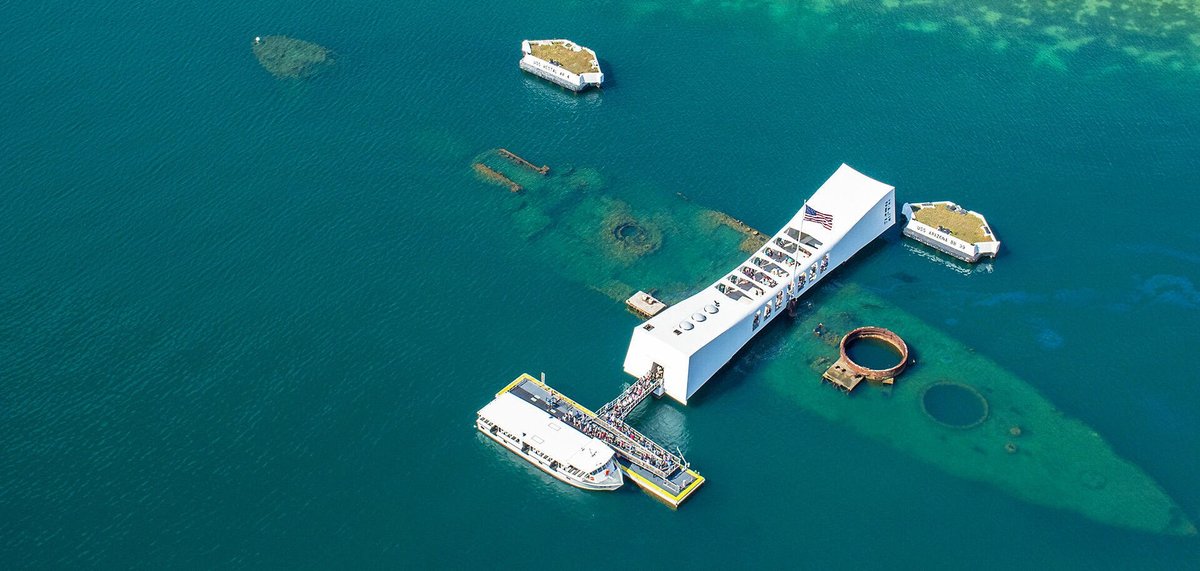
- The Pearl Harbor National Memorial (at Battleship Row, Hawai'i): Provides direct historical context and honors the fallen.
- Academic Books and Scholarly Articles: Look for works by respected historians specializing in World War II.
- Primary Source Documents: The National Archives holds a wealth of official investigation reports, photographs, and personal accounts from the era.
- Documentaries: Reputable documentaries, often produced by networks like PBS or The History Channel (when focusing on historical accuracy), can offer a more balanced and factual perspective.
By engaging with these resources, you can separate the Hollywood narrative from the meticulously researched historical truth, gaining a much richer and more accurate understanding of this pivotal moment in history.
The Enduring Legacy: Storytelling and Truth
Ultimately, "Pearl Harbor" is a testament to the power of filmmaking to capture imagination and emotion, but also a stark reminder of the responsibilities that come with depicting real historical events. While its romantic storyline and dramatic embellishments might have helped it achieve commercial success, they also ignited legitimate controversies about historical accuracy.
The film serves as an excellent case study for media literacy, prompting us to question what we see on screen and to seek out verified information. The stories of Pearl Harbor — the bravery, the tragedy, the failures, and the awakening of a nation — are too important to be lost or distorted. By understanding where a film like "Pearl Harbor" succeeds as entertainment and where it falls short as history, we empower ourselves to appreciate the art without sacrificing the truth. The past, in all its complexity, deserves no less.