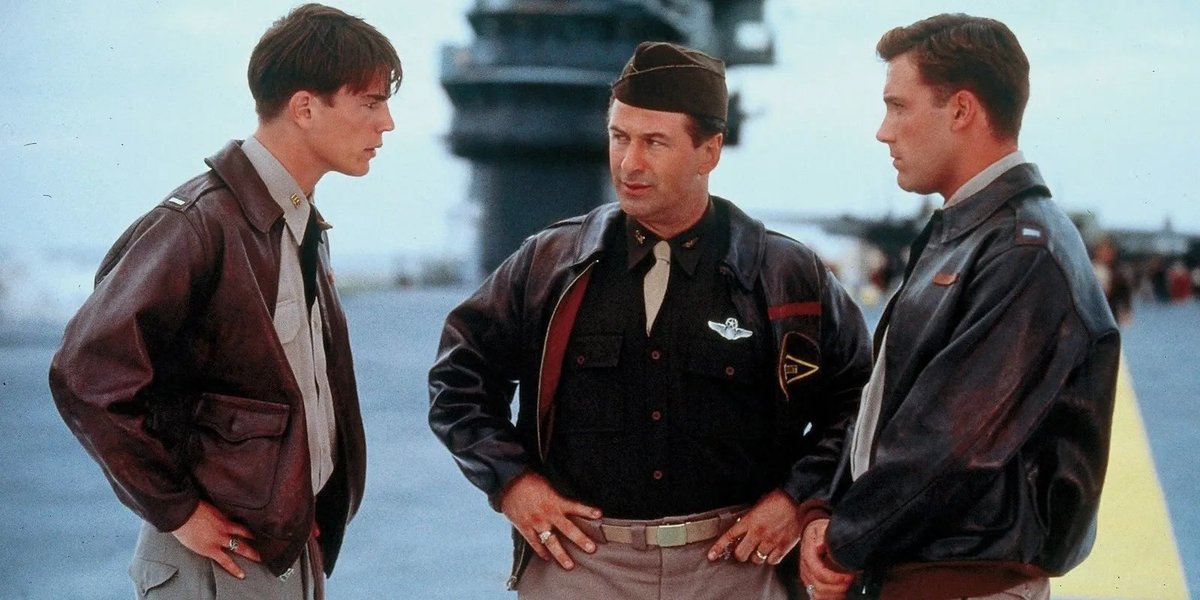
Josh Hartnett’s recent turn as nuclear physicist Ernest Lawrence in Christopher Nolan's Oppenheimer isn't just a remarkable performance; it's a profound moment of narrative symmetry. Two decades after he starred in the epic World War II drama Pearl Harbor, Hartnett finds himself back in the cinematic crucible of that era, allowing us to fully appreciate Josh Hartnett's Career Arc: Before and After Pearl Harbor. It's a journey from heartthrob to understated character actor, a testament to resilience, strategic choices, and the long game in Hollywood.
At a Glance: Hartnett's Unfolding Career Saga
- Before Pearl Harbor: Rose to fame as a sought-after teen idol, starring in hit films like Halloween H20, The Virgin Suicides, and Black Hawk Down.
- Pearl Harbor's Impact: The 2001 blockbuster catapulted him to global recognition but also presented the challenges of mega-stardom and typecasting.
- The Post-Pearl Harbor Shift: Deliberately stepped back from the relentless blockbuster machine, opting for smaller, more character-driven independent projects.
- Artistic Maturation: Used the intervening years to hone his craft, explore diverse roles, and prioritize creative satisfaction over commercial success.
- Oppenheimer's Full Circle: His portrayal of Ernest Lawrence highlights his growth as an actor, delivering a nuanced, morally complex performance 22 years after his last major WWII-era role.
- Defining Legacy: Hartnett's arc underscores the value of artistic integrity and a patient approach in a notoriously fast-paced industry.
The Ascent: Josh Hartnett's Pre-Pearl Harbor Zenith
Before the global spectacle of Michael Bay's Pearl Harbor, Josh Hartnett was already a rapidly rising star, embodying the quintessential late-90s and early-00s leading man. His ascent was swift, marked by a natural charisma and a quiet intensity that distinguished him from his peers. He quickly became a fixture in teen thrillers and dramas, often playing the brooding, enigmatic heartthrob with a surprising depth.
From his debut in Halloween H20: 20 Years Later (1998), where he held his own against Jamie Lee Curtis, to Sofia Coppola's critically acclaimed The Virgin Suicides (1999), Hartnett demonstrated a knack for choosing projects that offered both commercial appeal and artistic merit. He captivated audiences with his sensitive portrayal of Trip Fontaine, a role that cemented his status as a serious actor capable of embodying complex emotions. Further cementing his dramatic chops, he took on roles in films like The Faculty (1998), O (2001), and the ensemble war drama Black Hawk Down (2001), directed by Ridley Scott. These early successes built a formidable resume, positioning him as an actor on the cusp of superstardom, ready to lead Hollywood's next generation.
The Pearl Harbor Pivot: A Blockbuster's Double-Edged Sword
Then came Pearl Harbor. Released in 2001, Michael Bay's ambitious, effects-laden epic promised to be the next Titanic. Hartnett, playing Captain Danny Walker alongside Ben Affleck's Rafe McCawley, was at the heart of the film's central love triangle, thrust onto screens worldwide in a massive marketing blitz. The film was an enormous commercial success, grossing over $449 million globally, making Hartnett a household name for millions more. It was the kind of role that defines careers, for better or worse.
For Hartnett, the experience was a double-edged sword. While it brought unprecedented fame and financial rewards, it also came with intense scrutiny, the pressures of superstardom, and the potential for typecasting. The film itself received mixed reviews, often criticized for its focus on the romantic subplot amidst the historical tragedy, leading many to overlook its performances. For more details on this pivotal role, you can explore Josh Hartnett in Pearl Harbor. The sheer scale of the production and the relentless media attention that followed created an environment that, for Hartnett, felt less about artistic expression and more about marketability.
Navigating the Aftermath: Charting a Different Course
Following Pearl Harbor, Hartnett made a conscious decision that would define the next two decades of his career: he pulled back from the Hollywood machine. Instead of chasing more mega-blockbusters and the associated relentless publicity, he sought out smaller, more independent projects, often with directors known for their unique visions. This wasn't a retreat born of failure, but a deliberate recalibration. He reportedly turned down roles in superhero franchises and other high-profile studio productions, a move that puzzled many at the time but, in hindsight, reveals a profound commitment to his craft and personal well-being.
This period saw him experiment with a diverse range of genres and characters. From the quirky indie comedy 40 Days and 40 Nights (2002) to the neo-noir mystery The Black Dahlia (2006) directed by Brian De Palma, Hartnett consistently chose roles that challenged him rather than simply capitalized on his leading-man appeal. He worked with esteemed directors like Robert Rodriguez in Sin City (2005) and even ventured into stage work, demonstrating a hunger for artistic growth outside the conventional paths of stardom. This strategic shift allowed him to avoid the pitfalls of early burnout and to develop a more nuanced understanding of acting.
The Quiet Rebuilding: Smaller Roles, Deeper Craft
The years after The Black Dahlia further solidified Hartnett’s reputation as an actor dedicated to the work itself, rather than the glare of the spotlight. He became known for thoughtful performances in films that didn't necessarily dominate the box office but often earned critical praise for their artistic merit. He sought out complex characters in independent dramas and thrillers, often playing flawed, relatable men grappling with difficult circumstances.
This period was crucial for his development. Without the pressure of carrying billion-dollar franchises, Hartnett was free to explore, to fail, and to learn. His roles in films like Lucky Number Slevin (2006), August (2008), and I Come with the Rain (2009) showcased a growing versatility and a comfort with ambiguity. He also found a new rhythm in television, starring in Showtime's acclaimed horror drama Penny Dreadful (2014-2016). This series, which allowed him to delve into a long-form character arc as Ethan Chandler, proved to be a significant turning point, reminding audiences and critics of his magnetic screen presence and his ability to anchor a complex narrative. It was a period of quiet, consistent work, laying the groundwork for his eventual resurgence.
The Oppenheimer Resurgence: A Measured Return to the Limelight
Fast forward to 2023, and Christopher Nolan's Oppenheimer presented Hartnett with an opportunity to re-engage with a large-scale, high-profile project on his own terms. His portrayal of Ernest Lawrence, the Nobel laureate and pioneering nuclear physicist, was a masterclass in subtlety and suppressed conflict. Lawrence, a close friend and associate of J. Robert Oppenheimer within the Manhattan Project, was a vital historical figure, and Hartnett meticulously brought his internal struggles and moral dilemmas to life.
Unlike the fictional Captain Danny Walker in Pearl Harbor, Ernest Lawrence was a real person whose decisions had real-world consequences. Hartnett’s performance in Oppenheimer is widely noted as superior, not merely because he’s a more seasoned actor, but because the character offered a depth and gravitas that was absent in his earlier blockbuster role. You see a man grappling with the ethical implications of scientific advancement, a proponent of the hydrogen bomb who ultimately couldn't bring himself to testify against Oppenheimer at his security hearing due to a cited illness—a complex tapestry of loyalty, conviction, and perhaps moral quandary. This role didn't require him to be the charming lead; it demanded authenticity, versatility, and the ability to convey multiple layers of conflict, all of which Hartnett delivered with quiet power.
Character vs. Spectacle: The Evolution of an Actor
The comparison between Hartnett's performances in Pearl Harbor and Oppenheimer offers a fascinating case study in artistic evolution. In Pearl Harbor, he was primarily tasked with being a charismatic hero caught in an epic love story, a cog in Michael Bay's explosive spectacle. While he delivered a perfectly competent performance for the role, the character of Danny Walker was largely defined by external circumstances and romantic entanglements rather than profound internal struggles. The film's overwhelming scale and dramatic license often overshadowed individual performances.
In Oppenheimer, the canvas is equally grand, but the focus is intensely on character. Ernest Lawrence, though potentially having limited screen time compared to Cillian Murphy's Oppenheimer, is integral to the story's moral and intellectual framework. Hartnett's performance benefits from the real-life basis of the character, allowing him to tap into historical nuances and ethical complexities. As a more seasoned actor, he possessed the tools and maturity to convincingly portray a man of immense intellect grappling with monumental decisions. This shift from playing a fictionalized archetype within a historical event to embodying a crucial, conflicted historical figure marks a significant maturation in his craft. It’s the difference between being part of a thrilling ride and delving into the psychology of a pivotal moment in human history.
Lessons from the Arc: What Hartnett's Journey Teaches Us
Josh Hartnett's career arc offers invaluable insights for anyone navigating a creative path, or indeed, any career where passion and personal values intersect with commercial demands.
- Prioritize Artistic Integrity Over Immediate Fame: His deliberate step back from major blockbusters wasn't a career killer; it was a career re-designer. By choosing roles that challenged him, he built a more robust and versatile acting muscle. This teaches us that sometimes, saying "no" to the obvious path is the most powerful "yes" to long-term growth.
- The Value of the Long Game: Hollywood is notorious for its fleeting attention spans. Hartnett's sustained career, marked by quiet dedication, proves that artistic longevity often comes from consistent, quality work rather than continuous peak visibility. His re-emergence in a high-profile film like Oppenheimer wasn't an overnight surprise, but the culmination of years of diligent work and considered choices.
- Embrace Evolution: Actors, like all professionals, must adapt and grow. Hartnett moved from being a teen idol to a nuanced character actor, demonstrating a willingness to shed old personas and embrace new challenges. His performance in Oppenheimer is a testament to this personal and professional evolution, showing that experience, even outside the brightest lights, enriches one's capabilities.
- Find Your Own Pace: Not everyone is built for the constant glare of superstardom, and that's perfectly fine. Hartnett's comfort in stepping away from the epicenter of Hollywood and creating a more balanced life speaks volumes about prioritizing personal well-being without sacrificing artistic ambition.
Beyond the Screen: Hartnett's Enduring Appeal and Future
Josh Hartnett's return to the World War II sub-genre with Oppenheimer, 22 years after Pearl Harbor, isn't just a full-circle moment; it's a powerful statement about growth, intention, and the enduring nature of true talent. He effectively captured the conflicts and moral dilemmas of Ernest Lawrence, delivering an authentic and versatile performance that showcased his capabilities as a more seasoned actor.
His career is a reminder that success isn't always measured in box office receipts or tabloid headlines, but in the depth of work, the longevity of impact, and the quiet satisfaction of a craft well-honed. As audiences rediscover his talent through critically acclaimed roles, Hartnett stands as an example of an actor who chose the path less traveled, ultimately arriving at a destination far richer and more artistically fulfilling. What comes next for Hartnett is exciting to anticipate, as he has clearly found a comfortable and respected niche that allows him to continue challenging himself and delighting audiences on his own terms.