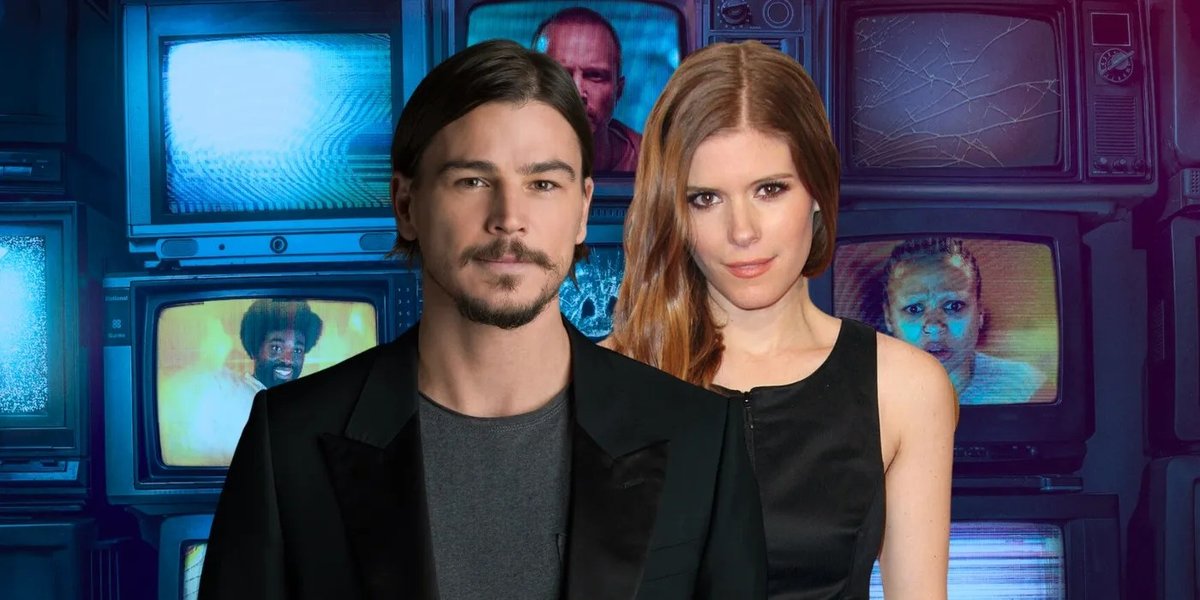
When we talk about the sprawling 2001 epic Pearl Harbor, the names that often spring to mind are the leading trio: Ben Affleck, Kate Beckinsale, and of course, Josh Hartnett. Yet, to truly appreciate the monumental undertaking of bringing this historical drama to the big screen, we need to delve deeper. This isn't just a story about pilots Rafe McCawley and Danny Walker, or nurse Evelyn Johnson; it's a testament to the colossal effort of literally thousands of individuals. So, let’s go beyond the familiar faces and explore the unsung heroes and the creative architects behind the film in our deep dive into the Pearl Harbor Cast and Crew: Beyond Josh Hartnett.
At a Glance: Unpacking the Pearl Harbor Phenomenon
- Beyond the Stars: Discover the extensive ensemble cast whose contributions were vital.
- The Maestros Behind the Scenes: Learn about director Michael Bay, producer Jerry Bruckheimer, and writer Randall Wallace.
- Crafting an Epic: Understand the monumental tasks of production design, cinematography, and visual effects in recreating 1940s Hawaii and the devastating attack.
- The Emotional Core: Explore Hans Zimmer's iconic score and its impact on the film's atmosphere.
- Challenges and Triumphs: Gain insight into the historical and logistical hurdles faced during production.
The Pillars of Pearl Harbor: More Than Just a Love Story
Before we dive into the less-celebrated figures, it's worth acknowledging the significant roles played by the film's core trio. Ben Affleck delivered a nuanced performance as the eager, romantic pilot Rafe McCawley, grounding the film's emotional arc. Kate Beckinsale brought grace and strength to Evelyn Johnson, navigating the complexities of love and war. And then there's Josh Hartnett, whose portrayal of the steady, loyal Danny Walker resonated with audiences, solidifying his status as a leading man in the early 2000s. If you’re curious to Explore Josh Hartnett from Pearl Harbor and his wider career, there's much more to uncover about his journey post-Pearl Harbor.
But a film of this scale isn't built on three actors alone. It's an intricate tapestry woven by hundreds of craftspeople, from the director orchestrating the chaos to the extras filling out crucial scenes. Their collective vision and painstaking execution are what allowed Pearl Harbor to achieve its cinematic ambition, for better or worse, depending on who you ask.
The Visionary Architect: Michael Bay (Director)
Few directors command attention—and controversy—quite like Michael Bay. Known for his signature style of explosive action, dynamic camera work, and high-octane sequences, Bay was a natural fit for a film depicting one of history's most sudden and devastating attacks.
Bay's direction of Pearl Harbor was a masterclass in scale. He was tasked with recreating an event of unimaginable destruction and human drama. This wasn't just about blowing things up; it was about orchestrating massive naval battles, aerial dogfights, and the sheer terror of an unprepared base under assault. Bay meticulously planned the attack sequences, utilizing a mix of practical effects—including real planes, ships, and thousands of extras—and cutting-edge CGI.
His penchant for dramatic flair, slow-motion hero shots, and rapid-fire editing is evident throughout the film, particularly during the 40-minute attack sequence. While critics often debate the historical accuracy and character development in his films, Bay’s ability to deliver visceral, large-scale entertainment is undeniable. He transformed a historical tragedy into a cinematic spectacle, aiming to make audiences feel the shock and awe of that fateful day.
The Blockbuster Maestro: Jerry Bruckheimer (Producer)
Behind every Michael Bay spectacle, you often find Jerry Bruckheimer. As one of Hollywood’s most successful producers, Bruckheimer has a knack for turning high-concept ideas into box office gold. His filmography boasts hits like Top Gun, Armageddon, and the Pirates of the Caribbean series – all characterized by high production values, thrilling action, and widespread appeal.
Bruckheimer’s role in Pearl Harbor was instrumental in securing the immense budget (over $140 million, one of the largest at the time), assembling the talent, and navigating the logistical nightmares of filming a historical epic. He was the one who championed the project, believed in its potential, and provided the resources necessary for Bay to realize his grand vision.
His influence extended to every aspect of the production, from the script's development to the marketing campaign. Bruckheimer understood the delicate balance between historical gravity and commercial entertainment, aiming to deliver a film that honored the past while captivating a modern audience with its dramatic sweep. It's a testament to his producing prowess that such a complex and ambitious project ever made it to screen.
Crafting the Narrative: Randall Wallace (Writer)
While the visuals capture the eye, the story holds the heart. Randall Wallace, renowned for his screenplay for Braveheart, took on the challenging task of writing Pearl Harbor. His script aimed to interweave a deeply personal love triangle with the momentous historical events of December 7, 1941, and its immediate aftermath.
Wallace faced the unenviable task of balancing historical fidelity with dramatic necessity. He conducted extensive research, interviewing survivors and studying historical accounts, to ground the story in reality. However, a major point of contention for many critics and historians was the film's decision to prioritize the fictional romantic entanglement over a more direct exploration of the historical and geopolitical context.
Wallace defended his approach, stating that the love story provided an accessible entry point for audiences into a profound historical moment. He aimed to humanize the tragedy by focusing on the individual lives irrevocably altered by the attack, arguing that personal stories make history relatable. While the balance remains debated, his script was the blueprint upon which the entire production was built, guiding the performances and the overall emotional tone of the film.
The Artistic Architects: Designing a World at War
Recreating a specific historical period, especially one involving a massive military installation, requires meticulous attention to detail.
Nigel Phelps (Production Designer)
Nigel Phelps, known for his work on films like Alien 3 and Troy, was the visionary behind Pearl Harbor's physical world. His team was responsible for designing and building sets that authentically replicated 1940s Oahu, including parts of the naval base, the iconic hangars, and the various living quarters. This wasn't just about aesthetics; it was about functional sets that could withstand pyrotechnics and accommodate hundreds of actors and crew members.
The scale of Phelps's work was staggering. They rebuilt sections of airfields, refurbished period ships, and sourced thousands of historically accurate props, from uniforms to vehicles. Every detail, down to the patterns on the curtains in Evelyn's home, was carefully considered to transport the audience back in time, making the impending tragedy feel all the more real.
John Schwartzman (Cinematographer)
Bringing Phelps's designs to life through the lens was John Schwartzman, the film's Director of Photography. Schwartzman’s challenge was to capture both the intimate moments of the love story and the epic scope of the battle sequences. He used a combination of sweeping wide shots to emphasize the grandeur and vulnerability of Pearl Harbor before the attack, and tight, handheld camera work during the chaos to immerse viewers in the action.
His cinematography played a crucial role in crafting the film's visual identity. The warm, golden hues of the early scenes conveyed a sense of idyllic peace before the storm, contrasting sharply with the stark, often fiery, palette of the attack itself. Schwartzman worked closely with Bay to create the director’s signature dynamic visuals, ensuring that every explosion, every dogfight, and every emotional glance was framed with dramatic impact.
The Sonic Landscape: Hans Zimmer (Composer)
No epic is complete without a compelling score, and Hans Zimmer, one of the most celebrated film composers of all time, delivered an unforgettable one for Pearl Harbor. Known for his powerful and emotionally resonant scores in films like Gladiator, The Lion King, and Inception, Zimmer crafted a score that became almost as iconic as the film's visual spectacle.
His music served multiple purposes: building tension, enhancing the romantic drama, and underscoring the tragedy and heroism of the attack. The main theme, often melancholic but also soaring with hope, became synonymous with the film. During the attack sequence, Zimmer's score is relentless and driving, augmenting the feeling of chaos and desperation. In quieter moments, his compositions evoke the pain of loss and the resilience of the human spirit.
Zimmer’s ability to tap into deep emotional reservoirs through his music helped elevate the film's impact, providing an auditory anchor to the dramatic events unfolding on screen.
The Unsung Armies: Visual Effects, Stunts, and the Ensemble
While the main cast and headline crew members get much of the credit, thousands of other individuals toiled to create Pearl Harbor.
Visual Effects (Industrial Light & Magic, and others)
The attack on Pearl Harbor was visually complex, featuring hundreds of planes, ships, and explosions. While Michael Bay utilized as many practical effects as possible, the sheer scale demanded groundbreaking visual effects. Companies like Industrial Light & Magic (ILM) were pivotal in creating the seamless blend of real and digital elements.
Their work included crafting digital planes, enhancing explosions, replicating entire naval fleets, and creating the devastating impacts of bombs and torpedoes. The goal was photo-realism, making sure that every digital element felt integrated into the live-action footage. This painstaking work involved motion tracking, digital compositing, and rendering complex simulations of fire, smoke, and water, pushing the boundaries of what was achievable in CGI at the time.
Stunt Coordinators and Performers
Given the film's heavy action, the stunt team played a critical role. Coordinators Michael K. Deak, Kenny Bates, and Chuck Picerni Jr. orchestrated complex sequences involving aerial stunts, falls, explosions, and hand-to-hand combat. Hundreds of stunt performers brought these sequences to life, ensuring both the dramatic impact and the safety of everyone involved. Their work added an invaluable layer of realism to the perilous situations depicted in the film.
The Wider Ensemble Cast
Beyond the leading trio, Pearl Harbor boasted an impressive ensemble cast filled with recognizable faces and rising stars, each adding depth and authenticity to the narrative:
- Cuba Gooding Jr. as Doris Miller: Perhaps one of the most historically significant roles, Gooding Jr. portrayed the real-life Navy cook who heroically manned an anti-aircraft gun during the attack, despite having no training, and was later awarded the Navy Cross. His performance brought gravity and honor to a truly remarkable individual.
- Jon Voight as Franklin D. Roosevelt: Voight delivered a powerful and convincing portrayal of the U.S. President, capturing his resolve and leadership during one of the nation's darkest hours.
- Tom Sizemore as Earl Sistern: Sizemore brought his characteristic grit to the role of a tough but loyal sergeant.
- Alec Baldwin as Lt. Col. Jimmy Doolittle: Baldwin played the fearless leader of the Doolittle Raid, a crucial retaliatory strike against Japan.
- Dan Aykroyd as Captain Thurman: Aykroyd provided a grounding, authoritative presence as a military intelligence officer.
- Michael Shannon as Lt. Gooz Wood: Before becoming a major star, Shannon had a memorable role as one of the pilots.
- Ewen Bremner as Lt. Red Winkle: Bremner (known from Trainspotting) added a touch of quirky vulnerability.
- Colm Feore as Admiral Kimmel: Feore played the commander of the Pacific Fleet, who faced immense scrutiny after the attack.
These actors, and countless others in smaller roles, populated the world of Pearl Harbor, making it feel lived-in and real. From the nurses in the hospital to the soldiers on the ground, every face contributed to the massive canvas of the film.
Navigating the Waters of Historical Drama: Challenges and Impact
Creating a film like Pearl Harbor comes with inherent challenges. The primary one is the delicate balance between historical accuracy and dramatic license. While Bay and Wallace aimed to depict the events truthfully, cinematic conventions often necessitate certain creative liberties for narrative flow and emotional impact. This led to a range of critical reactions, with some praising its spectacle and emotional scope, while others criticized its historical inaccuracies and perceived sentimentality.
Logistically, the production was a beast. Filming on location in Hawaii, coordinating hundreds of cast members and thousands of extras, handling complex pyrotechnics, and managing an enormous budget presented daily hurdles. The collaboration required between all departments—from costuming and makeup to special effects and sound design—was immense, demanding seamless communication and problem-solving on a grand scale.
Despite the mixed critical reception, Pearl Harbor was a significant box office success, grossing over $449 million worldwide. It reignited interest in a pivotal moment in American history and served as a powerful reminder of the sacrifices made during World War II.
What Pearl Harbor Taught Us About Filmmaking on a Grand Scale
Pearl Harbor stands as a testament to the power of collective vision and the sheer determination required to execute a massive cinematic undertaking. It underscored several key lessons for large-scale filmmaking:
- The Director's Unwavering Vision: Michael Bay’s audacious vision, though sometimes divisive, was the driving force. A film of this scope needs a singular, strong voice to guide it.
- The Producer's Foundation: Jerry Bruckheimer’s ability to marshal resources, talent, and budget is a masterclass in blockbuster production. Without his strategic support, the film could never have materialized.
- The Power of Collaboration: From the writer crafting the initial narrative to the visual effects artists bringing impossible scenes to life, Pearl Harbor proved that cinema is inherently a collaborative art form. Every department, every crew member, contributed to the final product.
- Balancing Spectacle and Story: While often criticized for its balance, Pearl Harbor serves as a case study in trying to merge grand spectacle with intimate human drama. It shows how difficult it is to satisfy both historical purists and entertainment seekers simultaneously.
- The Immense Impact of the Unsung: The film highlights that for every recognizable face, there are hundreds, if not thousands, of dedicated professionals whose expertise and hard work make the magic happen. Their contributions are the very backbone of any cinematic achievement.
Your Next Dive into Cinematic History
Moving beyond the individual performances of stars like Josh Hartnett, Ben Affleck, and Kate Beckinsale, it becomes clear that Pearl Harbor was a colossal effort of human ingenuity and collaboration. It was a film born from the combined talents of visionary directors, meticulous producers, skilled writers, and countless dedicated crew members who brought a pivotal historical moment to life with breathtaking scale and emotional depth.
The next time you watch Pearl Harbor, take a moment to appreciate the vast tapestry of talent behind every frame. From the recreated 1940s landscape to the harrowing visual effects of the attack, remember that each element was painstakingly crafted by individuals who poured their skill and passion into this epic production. It's a powerful reminder that truly grand cinema is never the work of one person, but the symphony of many.